Skip to content
Viewnamic – home

Industry · Education & research

Interactive PDFs for teaching, learning and research

Show the experiment next to the figure and the structure in 3D: add videos, animations and 3D models to papers, course material and reports – without changing the original PDF.

  • 30 days free
  • Your PDF stays unchanged
  • Hosted in Germany

Live example

See it in a real document

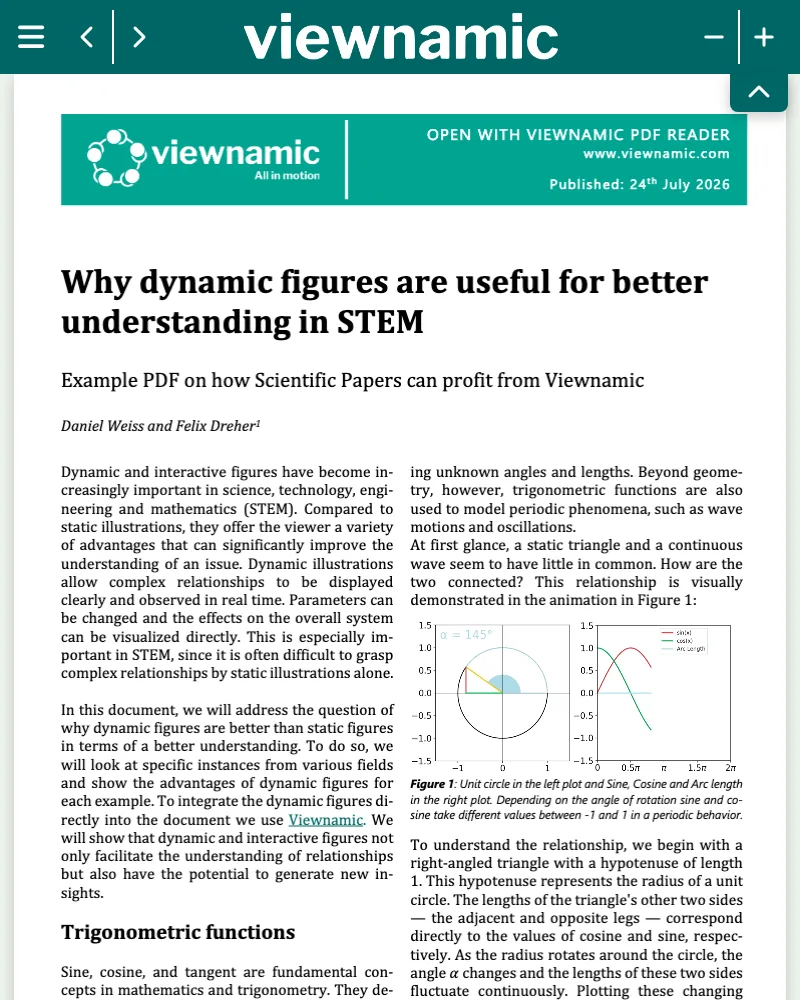
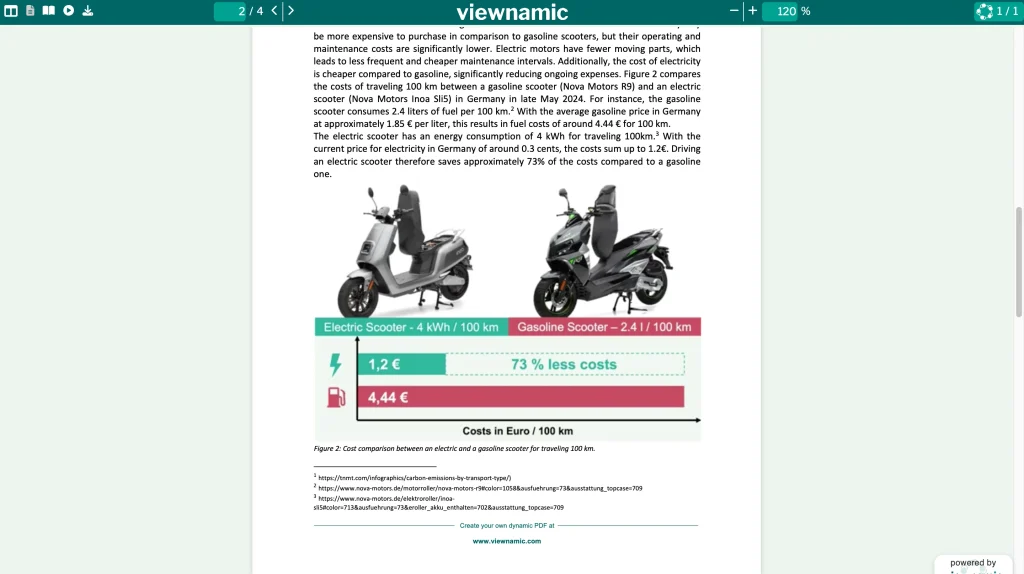
A scientific paper in which videos play directly on the figures they explain and readers rotate a 3D molecule right on the page – inside the reading flow.

Preview of the live example: Interactive science paper
Open the live example (opens in a new tab)

Opens the document from viewnamic.com

Interactive science paper Research paper · Viewnamic Open in a new tab: Interactive science paper

Trusted by teams across industries

  • Deutsche Bank Immobilien
  • MBG Group
  • Ecclesia Group
  • Spar- und Bauverein
  • Landesregierung NRW
  • Paderborn University
  • PalPrint
  • Wegener
  • Kran Immo Real Estate
  • Insurlab Germany
  • Braynpower
  • Solarmarkise
  • Jana Uthe Interior Design
  • MiaArtVenture
  • garage33
  • Hosted in Germany
  • GDPR-compliant
  • Privacy-friendly statistics
  • Protected access
More about privacy & security

The problem

Text and 2D figures can only hint at what readers need to see

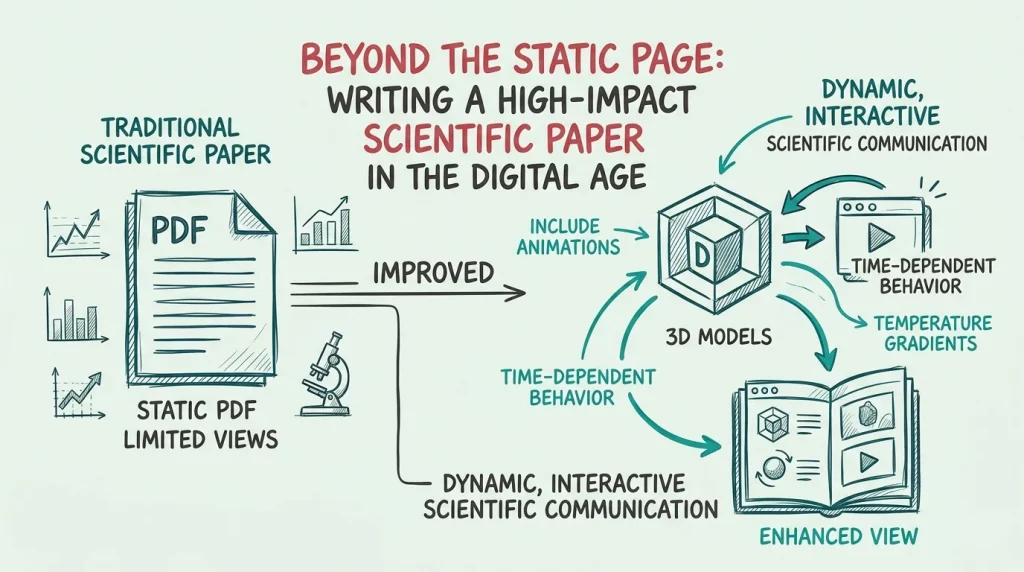
Processes, experiments and spatial structures are hard to understand from text and still images alone. Videos end up as separate files or links that few readers open, and PDFs with embedded media become too large to share.

The Viewnamic way

Learning material that explains itself

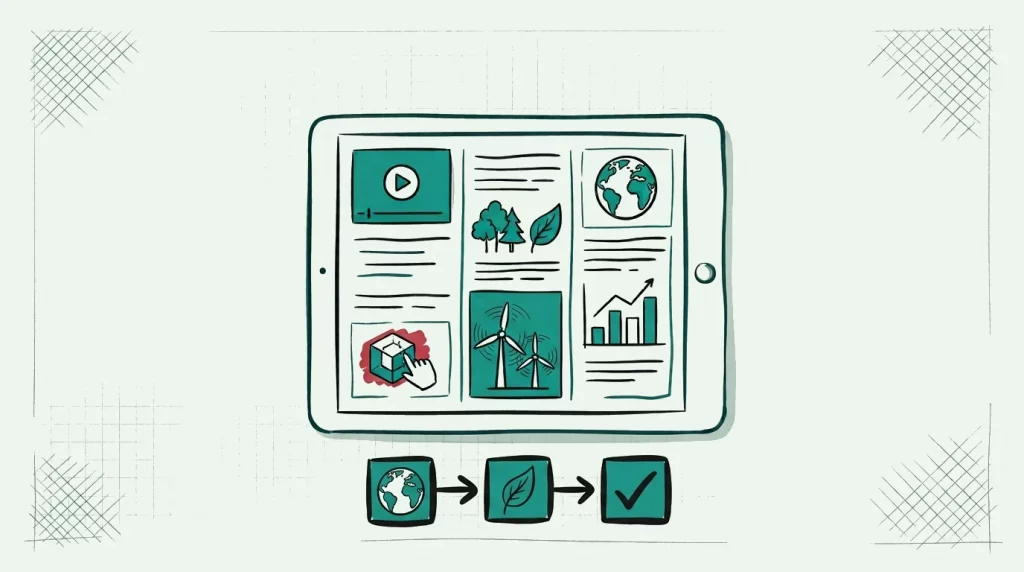
Viewnamic places your media exactly where they belong in the document. Readers watch, rotate and explore right on the page – in any browser.

  • Videos and animations next to the figure they explain
  • 3D models of molecules, parts or buildings that readers rotate
  • An accessible text version of every publication (reading mode)
  • See which pages and media your readers use (depending on your plan)

Features

Made for teaching and research

Explain more with the same PDF – and decide who may read it.

How it works

Set up in a few clicks

No new design, no plugins, no special software for your readers.

  1. Upload your PDF

    Use the finished paper, script or report – layout, formulas and references stay exactly as typeset.

  2. Add media where they help

    Place videos of experiments, animations or 3D models on the figures and pages they belong to.

  3. Share with your readers

    Share the link on your course page or by email – or, depending on your plan, embed the document on your website.

Branding

In the design of your institution

Show the logo and colours of your university, school or institute in the viewer and link back to your website – a consistent look for every document you publish.

Included in selected plans. Compare plans

Illustration: a document viewer in your own colours, with your logo in the toolbar and a link to your website, set up in a small design panel.

Insights

See how your material is used

Find out how long readers stay on each page and which videos and 3D models they actually open – and improve the next edition of your material.

  • Visits & page views How often each publication and page is opened.
  • Reading time How long readers stay – per document and per page.
  • Media engagement Video plays, 3D interactions, click-dummy and link clicks.
  • Downloads See how often the original PDF was downloaded.

Without cookies, without storing IP addresses – deleted after 12 months.

Included in selected plans. Compare plans

Illustration with sample numbers: the statistics page of one publication shows its visits, the average active reading time and the downloads, a graph of the visits over the last 30 days and how often each video and 3D model was viewed – measured without cookies and without storing IP addresses.

Comparison

How Viewnamic differs from traditional PDF tools

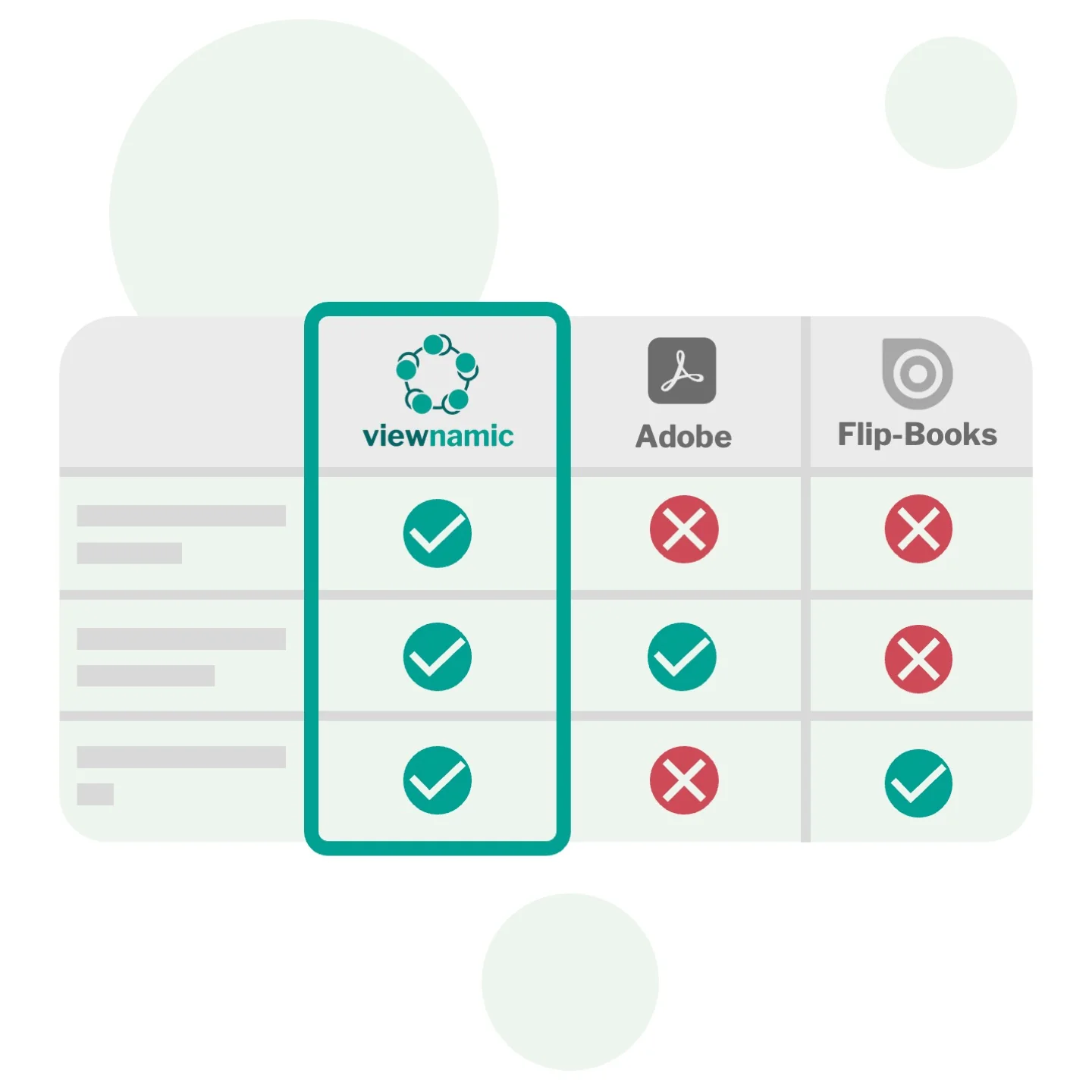
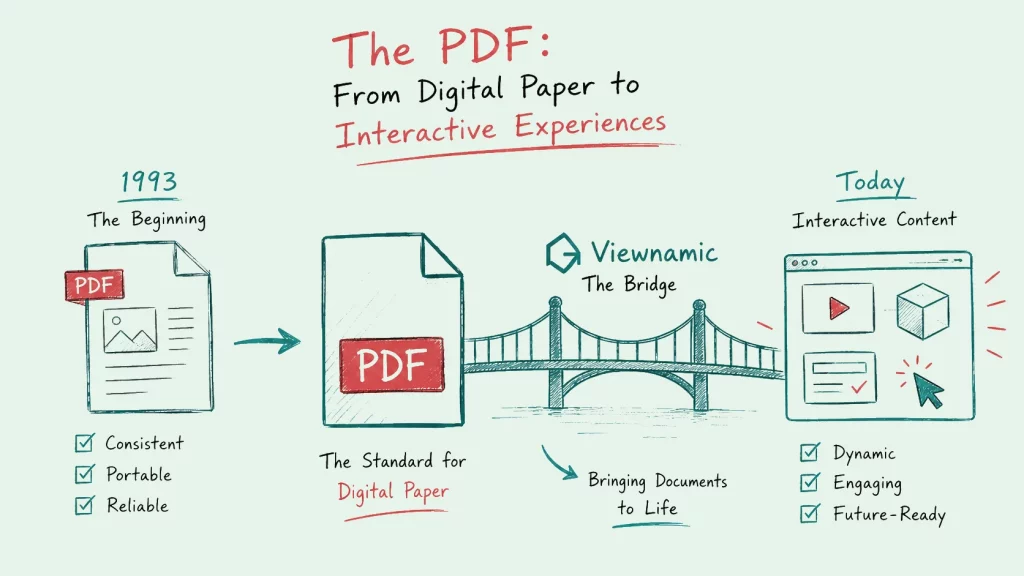
Viewnamic keeps your original PDF file size unchanged when adding videos – unlike Adobe, which embeds media directly into the file. And it offers a true PDF viewer that preserves layout and readability, while flipbook tools convert your document into their own format and usually offer only page-flip.

Adobe rich media
Media is embedded into the file: the PDF becomes huge and plays only in a few readers.
Flipbook tools
The document is converted into the tool’s own format, usually page-flip only; videos often open as YouTube links in an overlay, and 3D models or click dummies are usually missing.
Viewnamic
The original PDF stays unchanged and small; your own videos and other media play right on the page – in magazine, scroll or presentation mode and in every browser.

Comparison of Viewnamic with Adobe PDF rich media and flipbook tools: Viewnamic keeps the original PDF unchanged, works in every browser and supports videos, 3D models and analytics.

Real examples

More from education and research

Reports, papers and course handouts in the Viewnamic viewer – open them exactly as your readers would.

Use cases

Related use cases

Documents that teams in Education & Research publish with Viewnamic.

Blog

Further reading

FAQ

Frequently asked questions

Which educational documents work with Viewnamic?

Any document you have as a PDF: research papers and theses, lecture notes and scripts, course and training material, reports and guidelines. Fonts, formulas and layout stay exactly as in your file.

Which media can I add to teaching material?

Videos (MP4, MOV, AVI, WebM, MKV), 3D models (GLB, GLTF, OBJ, STL), click dummies made of JPG or PNG screens, image slideshows and clickable link areas – for example to datasets, code or further reading.

Can I keep course material out of search engines?

Yes. You decide per publication whether search engines may index it. Link-only publications open for everyone who has the link but are not listed on your public page.

Are interactive documents accessible?

Every publication can also be read in reading mode: a structured text version on the same URL that includes your media – an accessible alternative to the page view that works well with screen readers.

Is my original PDF changed?

No. Your original PDF stays unchanged and lightweight. Interactive content and its position are stored separately and displayed on top of the page inside the Viewnamic viewer.

Is Viewnamic GDPR-compliant?

Yes. Viewnamic is developed in Germany, runs on servers in German data centres and processes personal data in line with the GDPR. We provide a data processing agreement (DPA), collect reader statistics without cookies and without storing IP addresses, and delete them automatically after 12 months.

Does Viewnamic work on mobile devices?

Yes. Publications work smoothly on phones, tablets and desktops, including touch gestures and full-screen reading.

Newsletter

Get product updates and publishing tips

New features, examples and ideas for better digital documents – a few times a year, no spam.

Bring your teaching material to life

Upload a PDF, add your content and share the link – free for 30 days.